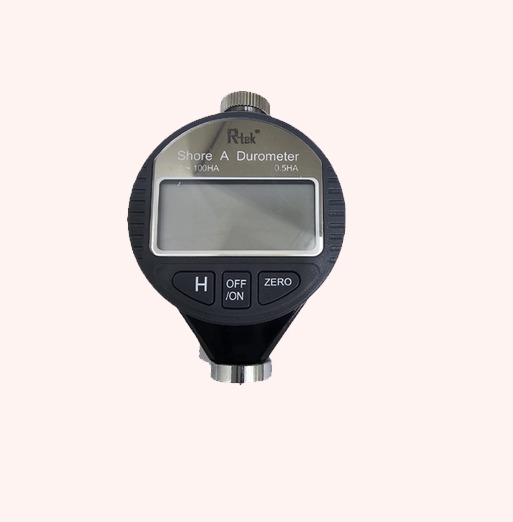
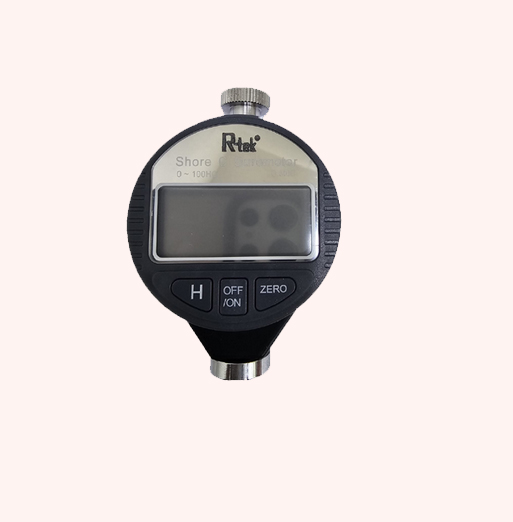
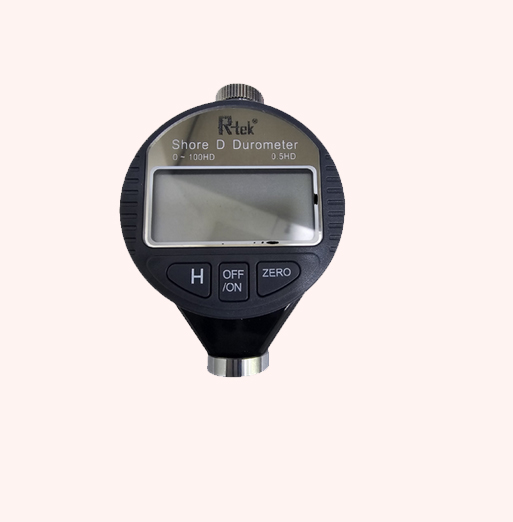
Hardness Tester / Durometer
We are among the reputed names in the industry. We are successfully meeting the requirements of our clients by offering the best quality range of Hardness Tester / Durometer Shore A / Shore C / Shore D. The offered Hardness Tester / Durometer Shore A / Shore C / Shore D are manufactured as per a standard design using premium quality materials and sophisticated technology. Offering accurate results, these Hardness Tester / Durometer Shore A / Shore C / Shore D are highly appreciated by the customers. We make these Hardness Tester / Durometer Shore A / Shore C / Shore D available at standard market prices.
Features
- Compact plastic case, suitable for use under poor working conditions.
- It can measure the hardness of all metallic materials.
- Large screen (segmentLCD), showing all functions and parameters.
- Large capacity memory could store 100 groups information.
- Software calibration function.